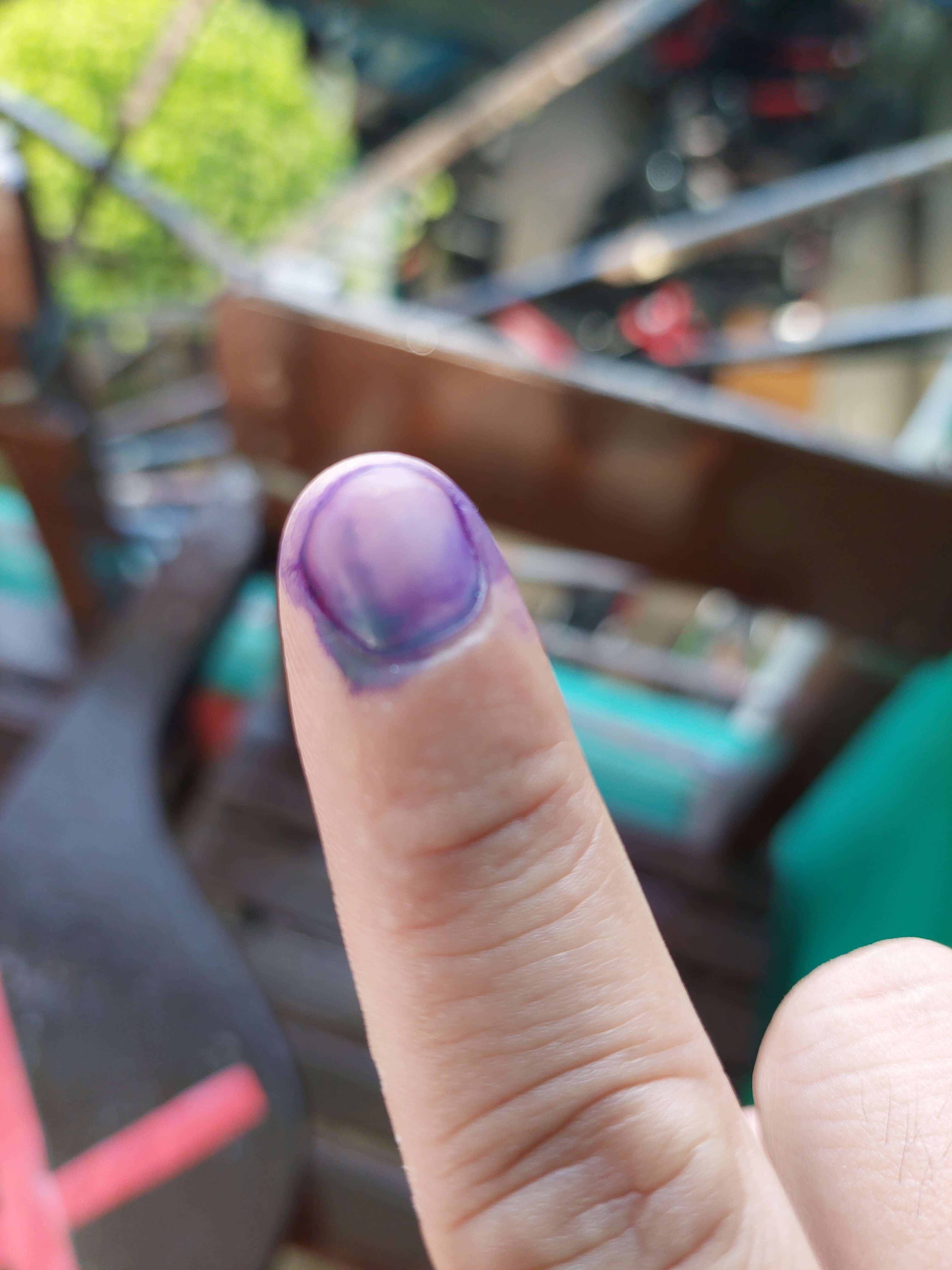
Human beings crave meaning. This truth is as old as time. In the past, religion provided the framework. It gave people a sense of purpose, a moral compass, and a community to belong to. But as the world grew more connected and beliefs diversified, the grip of traditional religion began to loosen. Yet the hunger for something bigger didn’t vanish—it simply found a new host: politics.
Modern politics has become the new altar, complete with its own rituals, scriptures, and sacred doctrines. It demands loyalty, punishes heresy, and rewards unwavering faith. Like religion, it’s not merely about governance or policy; it’s about identity, belonging, and power. And just like religion, it has the dangerous capacity to blind its followers to the broader truths of reality.
Faith Over Facts
Here’s the thing about truth: it doesn’t need your defense. If something is truly, fundamentally real, it exists regardless of belief. But politics, much like religion, thrives on the opposite. It doesn’t want you to question; it wants you to obey. In the political realm, facts become malleable tools, bent to fit the narrative of the day. The goal isn’t enlightenment; it’s control.
Think about how political ideologies are sold. They aren’t framed as “tools for progress” but as the ultimate salvation. One side screams, “We are the future!” while the other bellows, “We must preserve tradition!” The masses pick a team, dig trenches, and go to war with their neighbors. Nuance becomes collateral damage in this battle for ideological supremacy.
The New Crusades
The parallels between politics and medieval religion are striking. Crusades were once fought to expand the domain of faith. Now, social media is the battleground where digital warriors wage their holy wars. Every tweet, every post, every meme becomes a weapon in this unending fight for dominance. The language of politics has adopted a religious fervor: “Defend the truth,” “Protect democracy,” “Destroy the corrupt.”
This isn’t hyperbole; it’s reality. Look at the way people react when their political beliefs are challenged. Rational debate is rare. Instead, you’ll find vitriol, personal attacks, and an overwhelming need to silence dissent. Why? Because in the religion of modern politics, questioning the faith is the greatest sin.
The Tribal Trap
Let’s talk about tribalism. In traditional religions, tribes were defined by shared gods and rituals. In modern politics, they’re defined by hashtags and slogans. “Us vs. Them” isn’t just a mindset; it’s a way of life. Whether it’s conservatives vs. liberals, progressives vs. traditionalists, or any other binary divide, the script is always the same.
But here’s the irony: the tribes need each other. Without an enemy to fight against, their identity crumbles. The existence of “Them” validates “Us.” It’s a toxic codependency that ensures the cycle of conflict never ends. And while these tribes tear each other apart, the structures of power that profit from division remain unchallenged.
The Danger of Dogma
Dogma is the lifeblood of both religion and modern politics. It’s the idea that certain beliefs are beyond question, that they are sacred truths to be defended at all costs. This is why political discourse has become so hostile. People aren’t arguing policy; they’re defending their identities. Attack someone’s political beliefs, and you’re attacking their very sense of self.
This dogmatic approach stifles growth and understanding. It’s why so many conversations end in stalemates or screaming matches. When people are more invested in being right than finding solutions, progress becomes impossible.
The Path Forward
If politics has become a religion, then what’s the alternative? Abandoning the system entirely isn’t realistic. Being apolitical isn’t a virtue; it’s a luxury afforded to those who can afford to ignore the consequences of governance. But there is another way: embracing complexity.
The world isn’t black and white. It’s a spectrum of grays, a mosaic of perspectives. To move forward, we must reject the binary narratives that dominate modern politics. This means questioning not just the opposing side but also our own beliefs. It means seeking understanding over victory, collaboration over dominance.
Beyond the Binary
Humanity’s future depends on our ability to break free from the tribal, dogmatic mindset that has defined both religion and politics for centuries. We need to build a new framework, one that values empathy, critical thinking, and adaptability. This doesn’t mean abandoning principles; it means being willing to evolve them.
Imagine a world where political discourse isn’t a war but a dialogue. Where opposing views aren’t threats but opportunities to learn. Where the goal isn’t to win but to build something better together. This isn’t utopian idealism; it’s the only way forward.
The Final Word
The religion of modern politics is seductive. It offers certainty in an uncertain world, belonging in an era of isolation. But it comes at a cost: division, stagnation, and the loss of our shared humanity. Breaking free isn’t easy, but it’s necessary.
So, the next time you find yourself in a political debate, ask yourself: Are you seeking truth or defending dogma? Are you building bridges or walls? The answer to these questions will determine not just the future of politics but the future of society itself.