Dawn breaks in my humble neighborhood in the Philippines, painting the scene in hues of gold. I stand at my front door as another day begins. The sun’s modest warmth greets my skin as the relentless pursuit of survival starts anew.
The faint melody of Bob Dylan’s ‘Blowin’ in the Wind’ drifts from an old radio on a nearby ledge. I hum along, my heart echoing the timeless social and moral questions it poses—questions that feel increasingly urgent in the world around us, especially here in the Philippines.
On the cracked pavement, barefoot children in simple clothes chase a makeshift plastic bottle ball, their joyful laughter ringing through the narrow, unpaved alleys. They find happiness amidst scarcity, an innocence untouched by the shadows of poverty. Yet, the question lingers: how many roads must a man walk down before you call him a man?.

A luxury car then speeds by, a stark contrast to the dilapidated homes and a hardworking street vendor selling fishballs. The vendor, sweat marking his honest labor, stands as a direct counterpoint to the car’s occupant. Inside, a man calmly reads a newspaper, seemingly unaware, or perhaps indifferent, to the glaring inequalities his insulated, air-conditioned world hides.
This street scene vividly illustrates the extremes of Philippine society, from the struggling vendor to the detached comfort of the wealthy. The divide between the privileged few and the struggling many is vast. One can’t help but ponder: how many seas must a white dove sail before she sleeps in the sand?
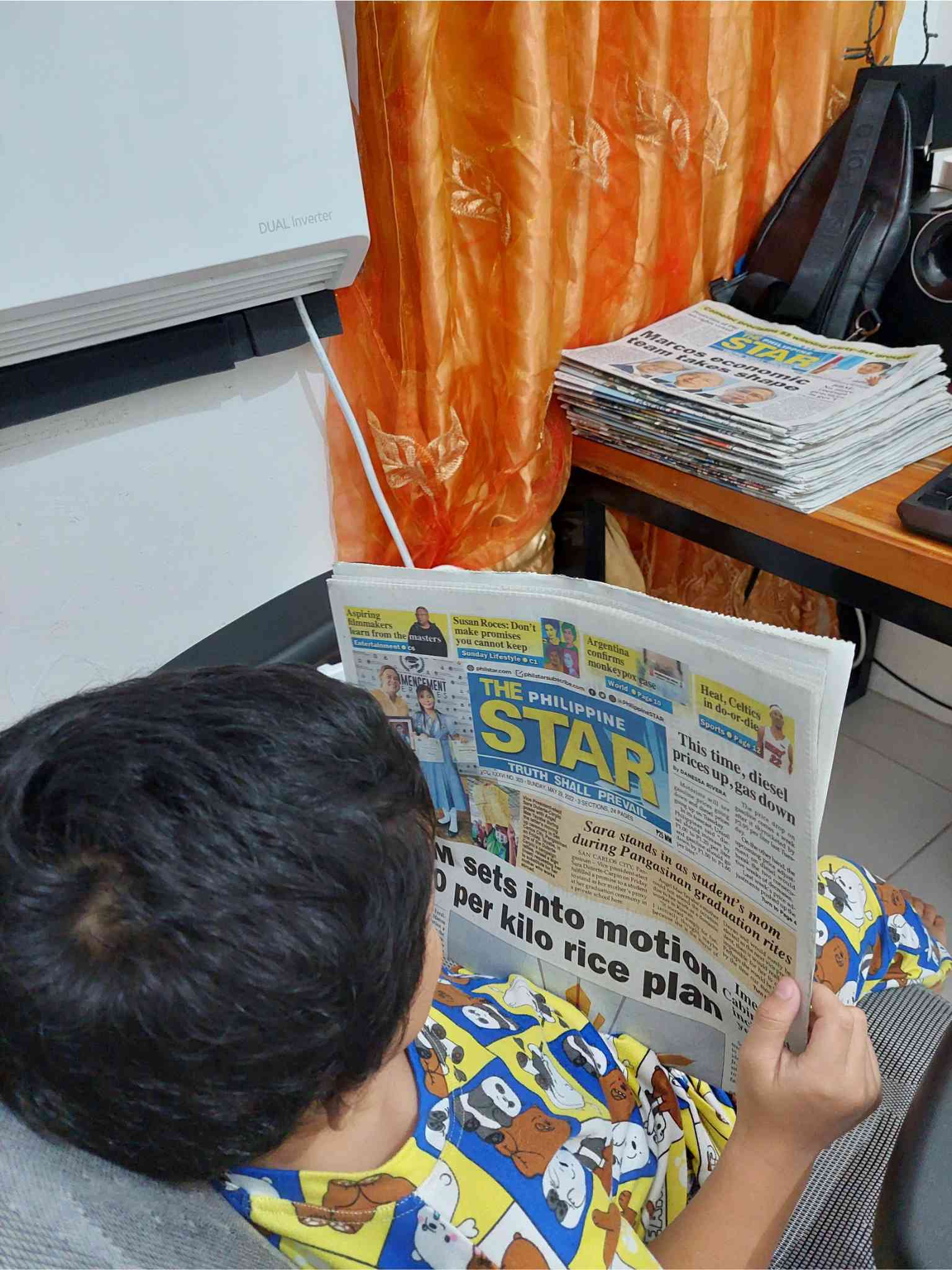
News of corruption surfaces, fueling my frustration. Unjust decisions are enacted, seemingly dismissed as mere ink on the local newspaper—nonchalant and unfeeling. The melody returns: how many times must the cannonballs fly before they’re forever banned?
Despite these challenges, I hold onto the belief that the answer, my friend, is blowin’ in the wind. These deep-seated issues, as old as the mountains themselves, can be overcome with time and collective action in the Philippines.
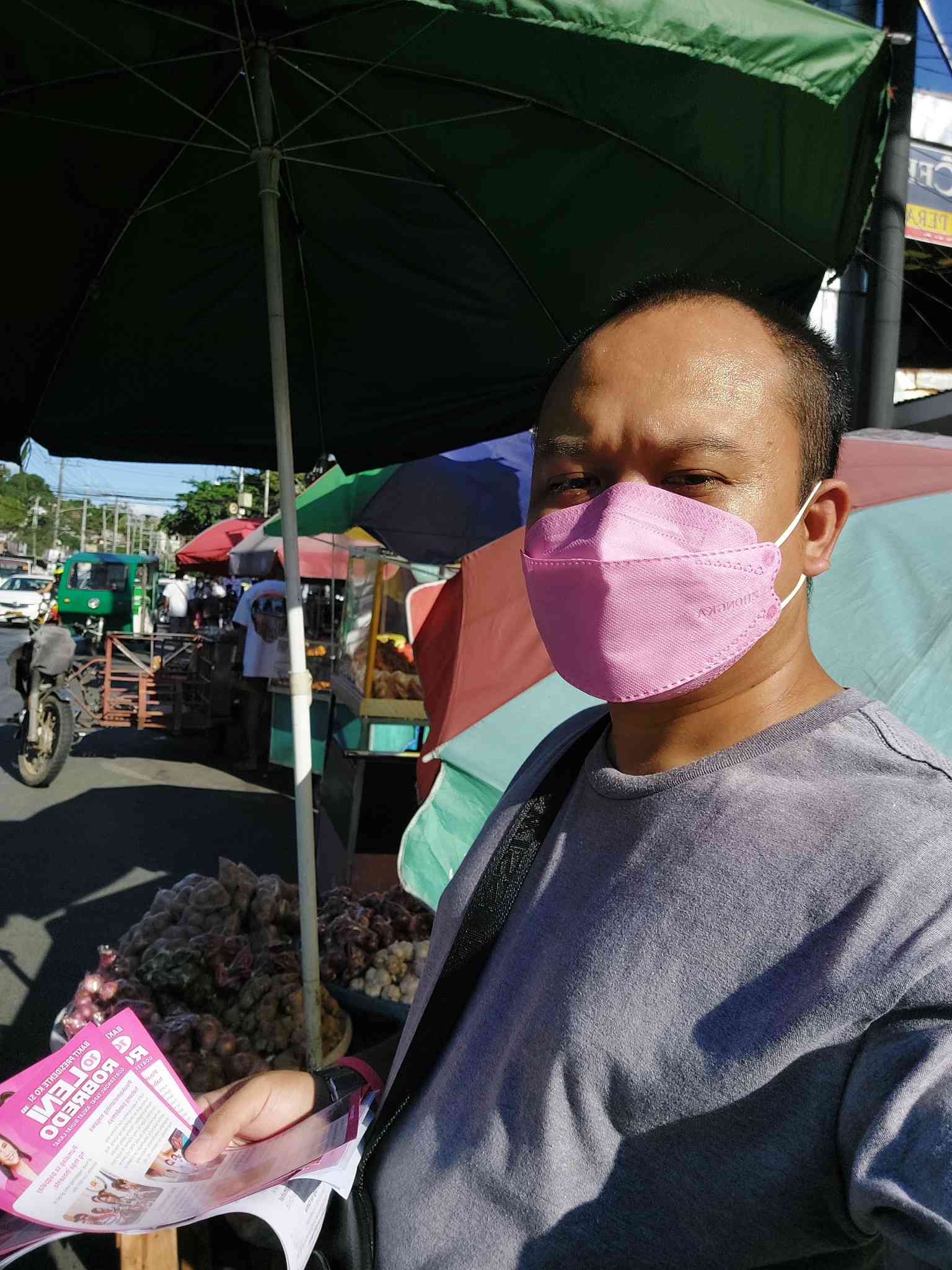
As day fades, I walk through the crowded marketplace, a testament to resilience and determination. Vendors work tirelessly under the harsh sun, a glimmer of hope etched on their faces. Their lives are a powerful reminder of the human spirit’s strength. Observing their efforts, the lyrics form in my mind: how many years can some people exist before they’re allowed to be free?
At night, sleepless, I trace the cracks on my ceiling. Fears for our shrinking freedom of speech whisper in the quiet. Online, voices are silenced, and truth suppressed. The ceiling fan hums, echoing my silent frustrations: and how many times can a man turn his head and pretend that he just doesn’t see? Beneath the automated replies and sanitized news, a silence prevails, a void where truth should be.
Yet, the night also offers solace. The moon, a silent observer, provides an unobstructed view of the sky, a welcome break from the day’s harsh realities. Gazing at its light, I wrestle with another question: how many times must a man look up before he can see the sky?
The moon listens to the unspoken cries—the unheard pleas for equality and justice, the daily struggles hidden beneath the surface of our bustling world: and how many ears must one man have before he can hear people cry?
Before dawn breaks, I remember those who have paid the price for questioning, for dreaming of a better Philippines. Too many. Their cries, carried by the wind, resonate with an undeniable power: Yes, and how many deaths will it take ‘til he knows that too many people have died?
The wind blows, a constant reminder of the recurring theme—the answer. Solutions are not simple discoveries but emerge from the combination of time and change.
As sleep finally comes, Dylan’s anthem softly plays, a lullaby for my restless thoughts—the answer, my friend, is indeed blowin’ in the wind.
Note: The following Python code utilizes the NLTK library for sentiment analysis. If you haven’t used NLTK before, you’ll need to install it and download the VADER lexicon.
To install NLTK, open your terminal or command prompt and run:
pip install nltkOnce NLTK is installed, open a Python interpreter or create a Python file and run the following commands to download the VADER lexicon:
import nltknltk.download('vader_lexicon')import timeimport collectionsfrom nltk.sentiment import SentimentIntensityAnalyzerfrom typing import List, Dict, Tupleimport logging
logging.basicConfig(level=logging.INFO)
class Song: """Represents a song with its themes, lyrics, and questions for discussion."""
def __init__(self, name: str, themes: List[str], lyrics: List[str], questions: List[str]) -> None: """Initializes a Song object.""" self.name = name self.themes = themes self.lyrics = lyrics self.questions = questions self.user_responses = {} # Store user responses in a dict self.sia = SentimentIntensityAnalyzer()
def prompt_question(self, question: str) -> str: """Prompts the user with a question and returns their response.""" print(question) time.sleep(2) user_input = input("Your answer: ") self.user_responses[question] = user_input # Update user responses dict logging.info(f"User completed the question: {question}") return user_input
def analyze_response(self, response: str, question: str) -> Tuple[int, Dict, int, bool]: """Analyzes a single response and returns the score, sentiment, interactivity, and relevance.""" score = 0 response_text = response.lower()
if any(theme in response_text for theme in self.themes): score += 2 sentiment_score = self.sia.polarity_scores(response_text) interactivity_score = len(response_text.split()) relevance_score = any(word in question.lower() for word in response_text.split())
return score, sentiment_score, interactivity_score, relevance_score
def analyze_answers(self) -> Tuple[int, List[Dict], List[int], List[bool]]: """Analyzes the user responses and returns the scores.""" total_score = 0 sentiment_scores = [] interactivity_scores = [] relevance_scores = []
for question, response in self.user_responses.items(): score, sentiment_score, interactivity_score, relevance_score = self.analyze_response( response, question) total_score += score sentiment_scores.append(sentiment_score) interactivity_scores.append(interactivity_score) relevance_scores.append(relevance_score)
logging.info("User responses are analyzed.") return total_score, sentiment_scores, interactivity_scores, relevance_scores
def generate_analysis(self, total_score: int, sentiment_scores: List[Dict], interactivity_scores: List[int], relevance_scores: List[bool]) -> str: """Generates the analysis message based on the given scores.""" sentiment = 'positive' if sum([score['compound'] for score in sentiment_scores]) / len(self.user_responses) > 0 else 'negative' interactivity = sum(interactivity_scores) / len(self.user_responses) relevance = collections.Counter(relevance_scores) count_relevant = relevance.get(True, 0)
analysis_msg = f"You have an average response length of {interactivity:.2f} words. " analysis_msg += f"{count_relevant} out of {len(self.user_responses)} of your responses contained key terms from our questions. "
if total_score >= 6: analysis_msg += f"Your responses reflect a deep understanding and sincere concern for the themes of this song, presenting a general {sentiment} sentiment. " analysis_msg += "Keep exploring the themes around justice, freedom, and equality." elif total_score >= 3: analysis_msg += f"Your responses suggest an awareness and recognition of the themes of this song with a slightly more {sentiment} sentiment. " analysis_msg += "Further reflection and exploration can deepen your understanding of the themes." else: analysis_msg += f"Consider engaging with the song's themes more holding a slightly {sentiment} sentiment. Reflection on themes can help a lot."
logging.info("Analysis message is generated.") return analysis_msg
def discuss_song_themes(self) -> None: """Initiates the discussion and analysis of the song based on the provided questions.""" for question in self.questions: self.prompt_question(question) total_score, sentiment_scores, interactivity_scores, relevance_scores = self.analyze_answers() analysis = self.generate_analysis(total_score, sentiment_scores, interactivity_scores, relevance_scores) print(analysis)
# Song-specific questions for understanding of the themesquestions = [ "Can you give a brief summary of 'Blowin' In the Wind' in your own words?", "What does the phrase 'blowin' in the wind' mean to you in the context of this song?", "Can you relate 'Blowin' In the Wind' with a real-world social justice issue?", "How do the lyrics of 'Blowin' in the Wind' resonate with concepts of freedom?", "In your understanding, how does this song reinforce the theme of 'equality'?"]
song_blowinInTheWind = Song( "Blowin' In the Wind", ['justice', 'freedom', 'equality'], ["How many roads must a man walk down / Before you call him a man?"], questions)
# Initiate the discussion and analysis of the songsong_blowinInTheWind.discuss_song_themes()